EFSI at ILO’s 9th Regulating for Decent Work Conference
July 9, 2025
EFSI at Fédésap Congress 2025: Strengthening Ties in the PHSSector
September 19, 2025
MobileCare: EFSI Leads 2-day EU-level Consultations in Malaga
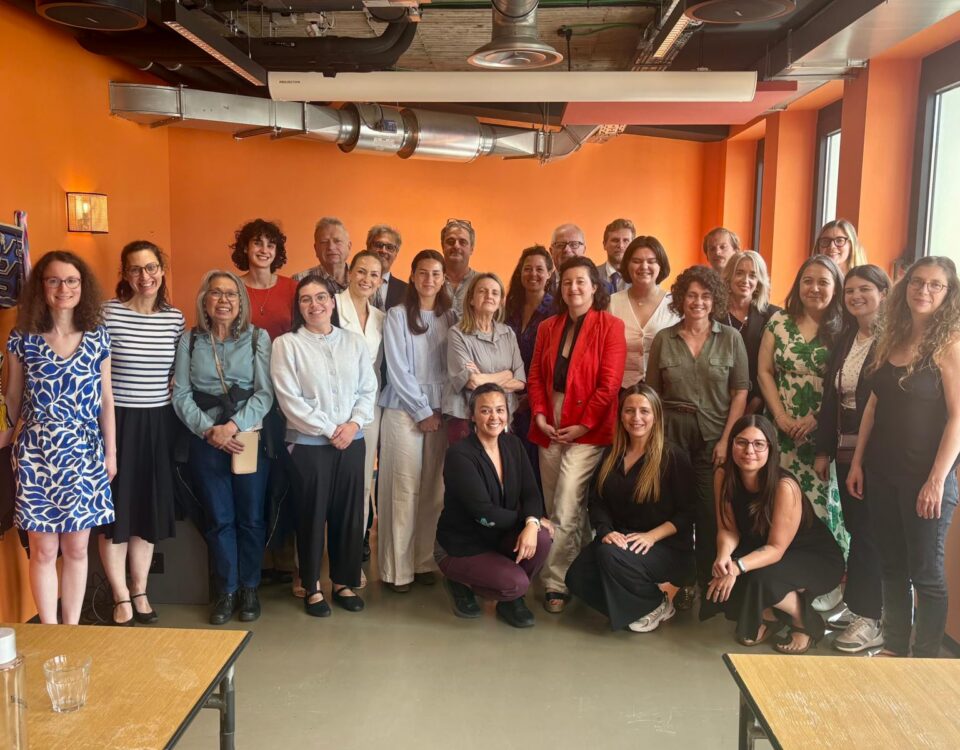
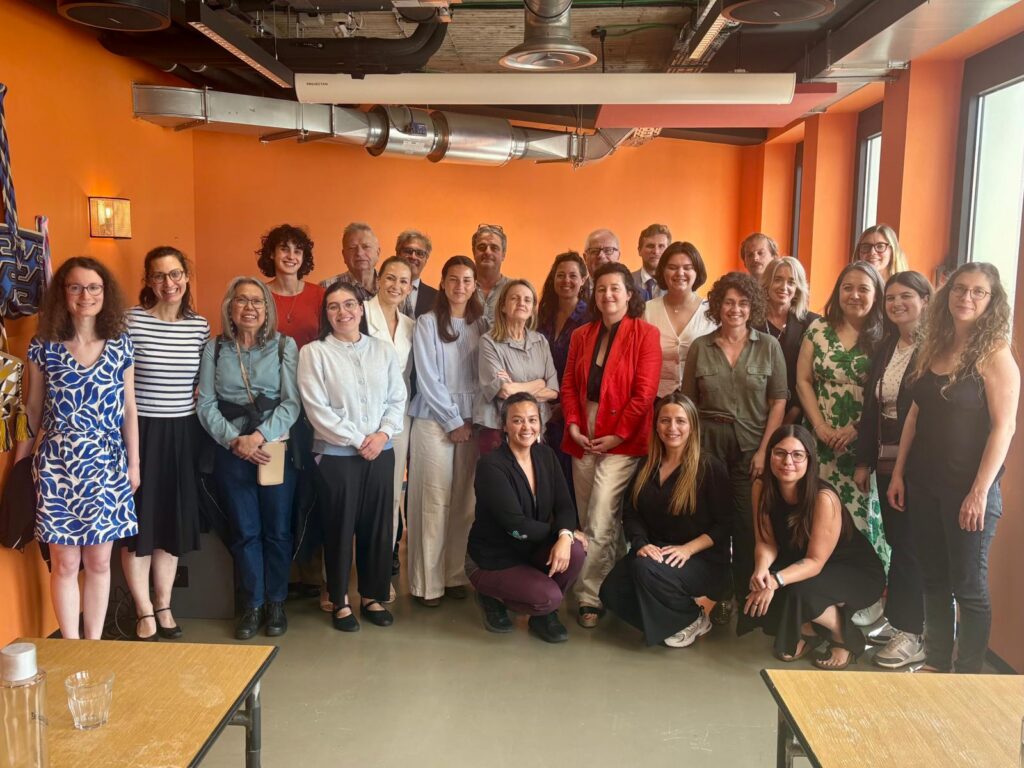
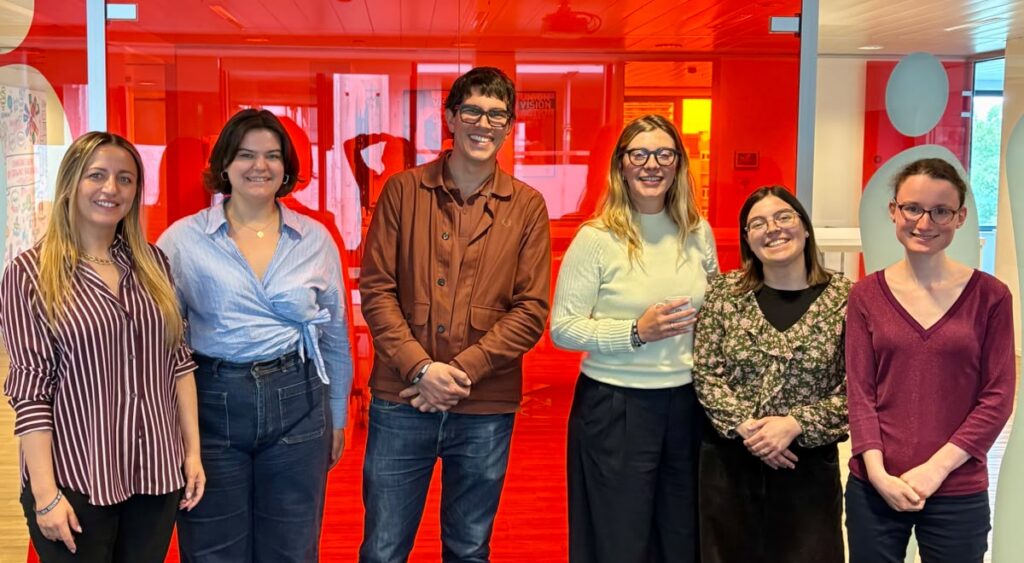
On 14–15 May 2025, the MobileCare Project held two days of EU-level consultations in Malaga (Spain) to address the mobility of home-based care workers across Europe. The event, moderated by EFSI’s Policy Director, Leonor Tavares, brought together 19 representatives from the project’s partner organisations:
- Federation of Polish Entrepreneurs (FPP) – Poland
- Uni Europa – EU level
- Domina – Italy (EFSI member)
- Bundesverband für häusliche Betreuung und Pflege e.V. (VHBP) – Germany (EFSI member)
- Europejski Instytut Mobilno?ci Pracy (ELMI) – Poland
- General Workers Union (GWU) – Malta
- Coalición Sindical Independiente de Trabajadores de Madrid (CSITUP) – Spain
- Sindikat Zaposlenih U Zdravstvu i Socijalnoj Zaštiti Srbije (SZZSZS) – Serbia
- Lietuvos Profesin? S?junga Solidarumas (Solidarumas) – Lithuania
- European Federation for Services to Individuals (EFSI)
National perspectives
To set the stage, each partner presented their National Report. Contributions from Italy, Germany, Poland, Malta, Spain, Serbia, and Lithuania highlighted shared concerns:
- Persistent staff shortages and barriers to accessing adequate care.
- Lack of harmonised training requirements and skills recognition.
- Diverging national rules for mobile workers and third-country nationals to enter the care workforce.
Building on these findings, participants structured the EU-level debate around three main themes: working conditions & undeclared work, skills & workforce shortages, and financing challenges.
Working conditions & undeclared work
The first discussions focused on the prevalence of undeclared work in home-based care. Participants examined the underlying causes and explored possible solutions, such as the creation of a community talent registry or a self-registration platform to improve transparency, quality standards, and access to legal contracts.
Examples of good practices were shared, with collective agreements highlighted as a key tool for regulating working conditions. However, participants underlined that not all Member States have the structures in place to support this form of social dialogue. In Poland, for example, the necessary participatory systems remain weak.
The very nature of care work—delivered inside private homes—was also identified as a challenge for enforcement. While difficult to regulate, examples from Spain, France, Ireland showed that there are certain ways to do inspections without being too invasive, from assessing the homes before the worker start, or by interviewing the worker outside of the household.
Skills & workforce shortages
The shortage of qualified staff emerged as a central concern throughout the two days. With demand for care rising due to demographic change, participants stressed the need to recognise care work as a skilled profession requiring continuous upskilling and reskilling. Although caregivers rarely remain unemployed for long, gaps in training and skills recognition fuel employment mismatches across the EU.
The debate also touched on mandatory training and EU-wide registration platforms as possible solutions. While these measures could help professionalise the sector, participants cautioned that rigid requirements might push some workers into undeclared employment. Finding the right balance between quality standards and accessibility will be crucial.
Financing challenges
The issue of financing ran across all discussions. Participants agreed that developing tools and systems to better protect workers and improve access to care is urgent, but funding should not fall solely on workers or care recipients. Sustainable solutions will require greater public investment and EU-level support to ensure the sector can meet growing needs.
Conclusions and next steps
The consultations closed with a series of shared priorities:
- Building a coherent EU-wide vision for the sector.
- Launching awareness campaigns to raise the profile of care work.
- Developing a roadmap covering financing, working time, residence rights, and the role of trade unions.
- Exploring an online platform to connect service providers and better match skilled workers with care recipients.
These outcomes will feed into the drafting of the MobileCare Strategic Document and Policy Proposals, which will set concrete recommendations to improve working conditions and support the mobility of home-based care workers across the EU.
Funded by the European Union. Views and opinions expressed are however those of the author(s) only and do not necessarily reflect those of the European Union or European Commission. Neither the European Union nor the granting authority can be held responsible for them.