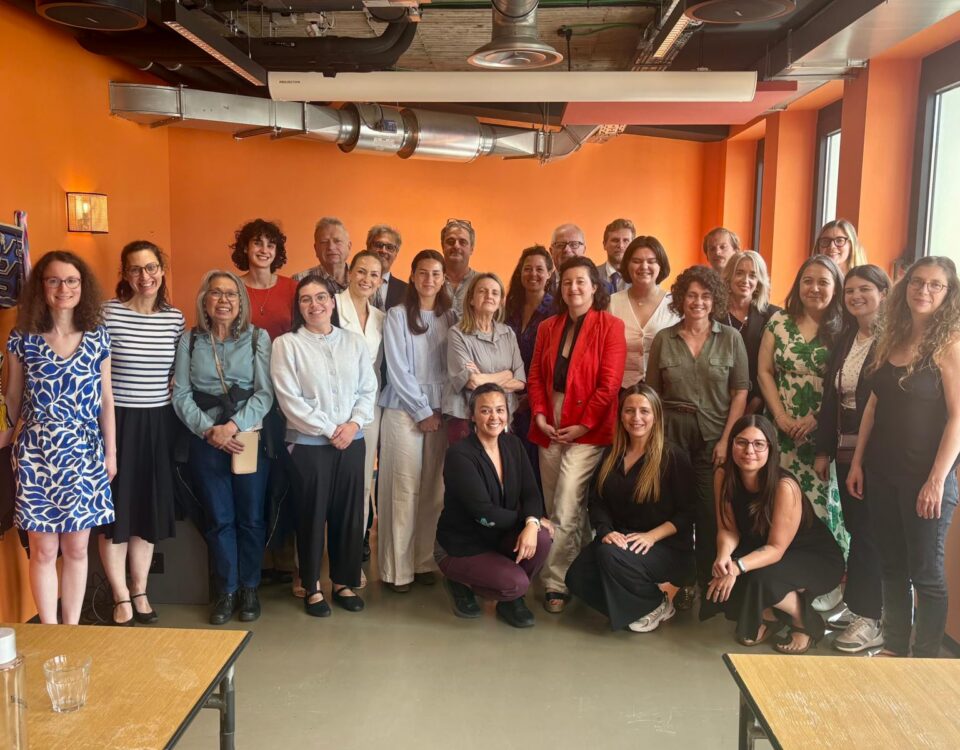
Highlights from the Webinar: Home Care & Domestic Work in Italy: DOMINA’s Perspective
June 1, 2026
2026 PHS Employment Monitor finds affordability crisis hitting home care providers, users, user-employers, and workers across Europe
June 15, 2026
AIDialogue partners strengthen capacity on AI, algorithmic management and social dialogue
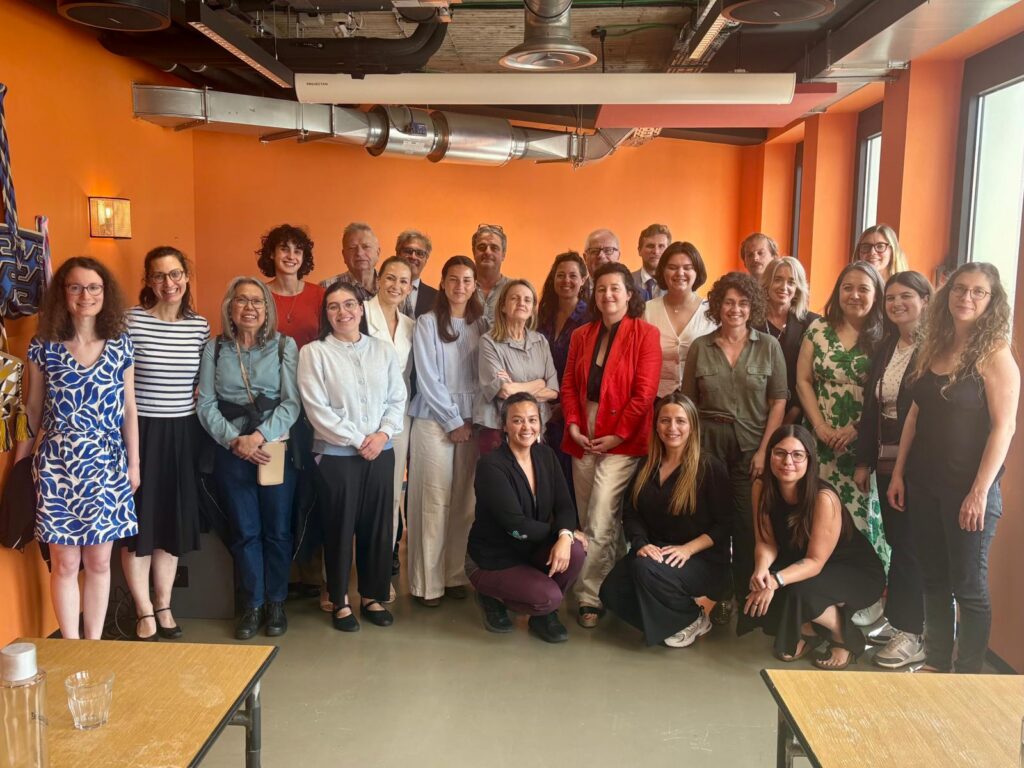
On 9–10 June 2026, around 80 participants from across Europe joined the AIDialogue International Training Programme on Artificial Intelligence (AI) and Algorithmic Management (AM). Bringing together employer organisations, trade unions and project partners, the two-day event provided an opportunity to exchange experiences and discuss the role of social dialogue in shaping the digital transformation of workplaces.
The training forms part of the EU-funded AIDialogue project, which aims to strengthen the capacity of social partners to address the opportunities and challenges arising from AI and algorithmic management through informed and inclusive social dialogue.
Understanding the challenges and opportunities of AI in the workplace
The first day focused on building a shared understanding of AI and AM in the workplace. Participants explored key concepts such as profiling, automated decision-making systems and the so-called “black box” problem, while examining how these technologies are increasingly influencing workplace organisation and employment relationships.
Discussions also addressed some of the main challenges associated with the use of AI and AM, including discrimination, surveillance, access to technology, workplace welfare and transparency. At the same time, participants recognised the potential benefits of these technologies when implemented responsibly and with appropriate safeguards.
A recurring theme throughout the exchanges was the importance of ensuring worker involvement in the introduction and monitoring of AI systems, as well as the need to equip workers and employers with the skills required to navigate an increasingly digital workplace.
Social dialogue in practice: learning from collective agreements and national experiences
The training highlighted several examples of how social partners are already addressing AI and AM through collective bargaining and social dialogue.
Participants examined a range of case studies from across Europe and beyond, including the collective agreement between the Hilfr platform and the Danish trade union 3F, Spain’s Rider’s Law and the collective agreement at Just Eat, agreements covering the use of AI technologies in the telecommunications sector in Italy, and examples from Germany and the United States.
These examples demonstrated that the governance of AI is not solely a regulatory issue. Social partners also have an important role to play in ensuring that technological innovation is implemented in a fair, transparent, and accountable way. Social dialogue and collective bargaining can help protect workers’ rights, promote transparency and establish clear rules for the use of algorithmic systems in the workplace.
Discussions also highlighted the challenges that remain, particularly when it comes to ensuring meaningful human oversight of automated systems and translating principles such as the “human-in-control” approach into practical workplace solutions.
Strengthening social dialogue through European legislation
The second day began with an overview of the European legal framework relevant to AI and algorithmic management. Participants explored how instruments such as the General Data Protection Regulation (GDPR), the Platform Work Directive and the European Works Councils framework can support social dialogue processes and provide safeguards for workers and employers.
The session also examined how collective agreements can complement legislative frameworks by addressing sector-specific challenges and establishing practical rules for the use of AI and algorithmic management systems.
Participants discussed the particular implications of AI for public-sector workers, the role of innovation in strengthening Europe’s competitiveness, and the risks associated with the platformisation of employment.
AI and algorithmic management in the Personal and Household Services sector
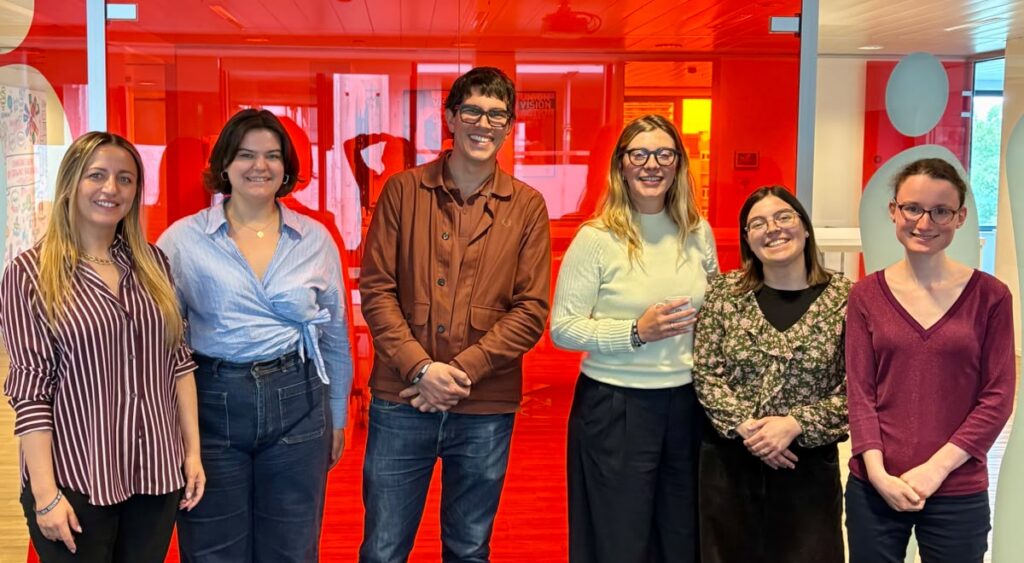
As part of the programme, Leonor Tavares, EFSI’s Policy Director, presented a session on the use of AI and algorithmic management in the Personal and Household Services (PHS) sector, including how social dialogue in the sector is addressing these new developments.
Digital tools, AI applications and algorithmic systems are increasingly being integrated into different aspects of service provision, from workforce management and scheduling to administrative processes and care delivery. The session examined both the opportunities offered by these technologies and the challenges they may create for employers, workers, and service users. Particular attention was also given to emerging collective bargaining initiatives addressing AI and algorithmic management in the sector and beyond, such as the Hilfr Collective Agreement.
The discussion highlighted the specific characteristics of the PHS sector, including its fragmented structure, the prevalence of micro-enterprises and self-employment, and the significant level of undeclared work that continues to exist in many countries and needs to be prioritized. These features can make social dialogue more complex while also reinforcing the need for effective mechanisms to ensure that technological developments benefit all stakeholders.
The debate also explored the growing role of digital labour platforms in the sector and the Platform Work Directive. While digital labour platforms can help connect service providers and users, improve accessibility and support labour market participation, concerns were also raised regarding working conditions, employment relationships and the management of workers through algorithmic systems.
Discussions also explored how the European Social Partners’ Framework Agreement on Digitalisation and its “human-in-control” principle can help ensure that technology remains a tool supporting people rather than replacing human judgement in employment-related decisions. Participants agreed that maintaining human oversight will be essential to building trust in AI systems and ensuring that digitalisation delivers benefits for both workers and service users.
Looking ahead
The training provided a valuable opportunity for social partners to exchange experiences, learn from existing practices and deepen their understanding of AI and algorithmic management in different sectors and national contexts.
As digital technologies continue to reshape labour markets across Europe, social dialogue will play an increasingly important role in ensuring that innovation is implemented in a way that benefits employers, service users and workers alike. Through projects such as AIDialogue, social partners are strengthening their capacity to contribute to these discussions and help shape the future of work.
EFSI looks forward to continuing its collaboration with project partners and ensuring that the perspective of the Personal and Household Services sector remains part of the European conversation on AI, digitalisation and the future of work.